
NFPA 25 (Standard for the Inspection, Testing, and Maintenance of Water-Based Fire Protection Systems) is the primary reference for NICET’s Inspection and Testing of Water-Based Systems (ITWBS) Certification. While local jurisdictions may enforce other editions or editions with specific modifications, NICET currently tests using the 2023 Edition.
Achieving NICET’s ITWBS certification requires experience with the inspection and testing of water-based fire protection systems. While many test-takers have experience with the work, a smaller number have experience with navigating NFPA 25 to find answers to questions.
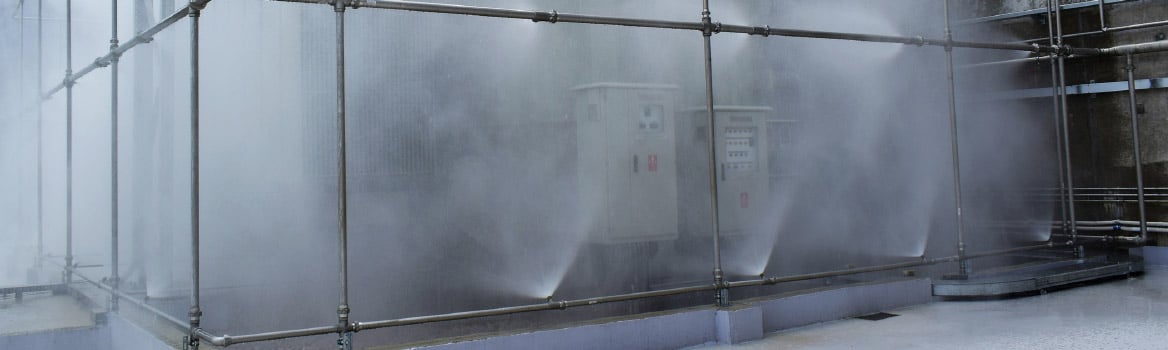
NFPA 25 is a broad standard that covers a wide range of water-based fire protection systems. Multiple codes and standards cover the design and installation of these systems, but NFPA 25 consolidates their inspection, testing, and maintenance into a single standard. NFPA 25 covers sprinkler systems (wet, dry, preaction, deluge), standpipe and hose systems, fire pumps, water storage tanks, water spray fixed systems, foam systems, water mist systems, and common components and valves associated with these systems.
NFPA 25, like other NFPA codes and standards, is organized by reference numbers. A reference number identifies each requirement in NFPA 25: the first number is the chapter number, followed by subsequent numbers that further identify the section, sub-section, etc.

An asterisk (*) will appear after some reference numbers in NFPA 25. An asterisk indicates that supplemental, explanatory information is contained in Annex A of NFPA 25, under the same reference number. For example, the reference above regarding sprinkler replacement has an asterisk. Annex A, A.5.2.1.1.1, has additional explanatory information regarding sprinkler replacement requirements.

The Annex A material is an important consideration in the NICET exam. Annex A material may be critical to properly answering the question being posed in the exam. Additionally, NFPA 25 uses the word “shall,” which indicates a mandatory requirement, while Annex A uses “should,” which indicates a suggested practice. Based on the wording of the question in the NICET exam, the test taker may be able to determine if a requirement comes from the heart of NFPA 25 or Annex A.
Chapter 3 of NFPA 25 contains definitions. Chapter 3 is extremely important in the NICET exam because it defines specific terms used in NFPA 25. The fire protection industry has many slang terms used in the field that are not included in NFPA 25. Understanding the NFPA 25 term for an “accelerator” as a “quick-opening device” can help the test taker better understand questions and locate information.
Knowledge of NFPA 25’s chapter structure can also help the NICET test taker navigate it. The title of each chapter identifies the kind of information located in the chapter. Still, some systems or information may exist in multiple chapters, depending on the particular aspect or part of the system. For example, Chapter 5 covers sprinkler systems, but common components and valves are covered in Chapter 13. Chapter 13 also covers common components and valves for standpipes, water spray and water mist systems, and foam systems.
Finally, the NFPA 25 index provides the key to navigating the standard. The index identifies keywords in the standard and provides their locations by reference number. Learning to identify the best keywords in questions is a skill that can be developed over time by practice. Once the skills are adequately developed, navigation in NFPA 25 using the index becomes much easier.
Learn more about NTC’s NICET Water-Based Certification training options, including the Black Book (study guide), virtual classes, and online training.
